Essential Quick Facts
A brief geographical and statistical overview of the Socialist Republic of Vietnam.
- Capital City: Hanoi
- Largest City: Ho Chi Minh City
- Population: Over 100 million
- Official Language: Vietnamese
- Currency: Vietnamese Dong (VND)
- Time Zone: Indochina Time (UTC +7)
- International Dialing Code: +84
- Driving Side: Right-hand side
The Soul of Vietnam
Vietnam is a country of contrasts, where ancient temples stand beside modern skylines, emerald rice fields stretch to the horizon, and centuries-old traditions continue to shape everyday life. Traveling through Vietnam is about more than visiting famous landmarks. It's about sharing a meal at a family-run restaurant, sipping freshly brewed Vietnamese coffee at a local café, wandering through colorful markets, and experiencing the warmth and hospitality that make visitors feel welcome.
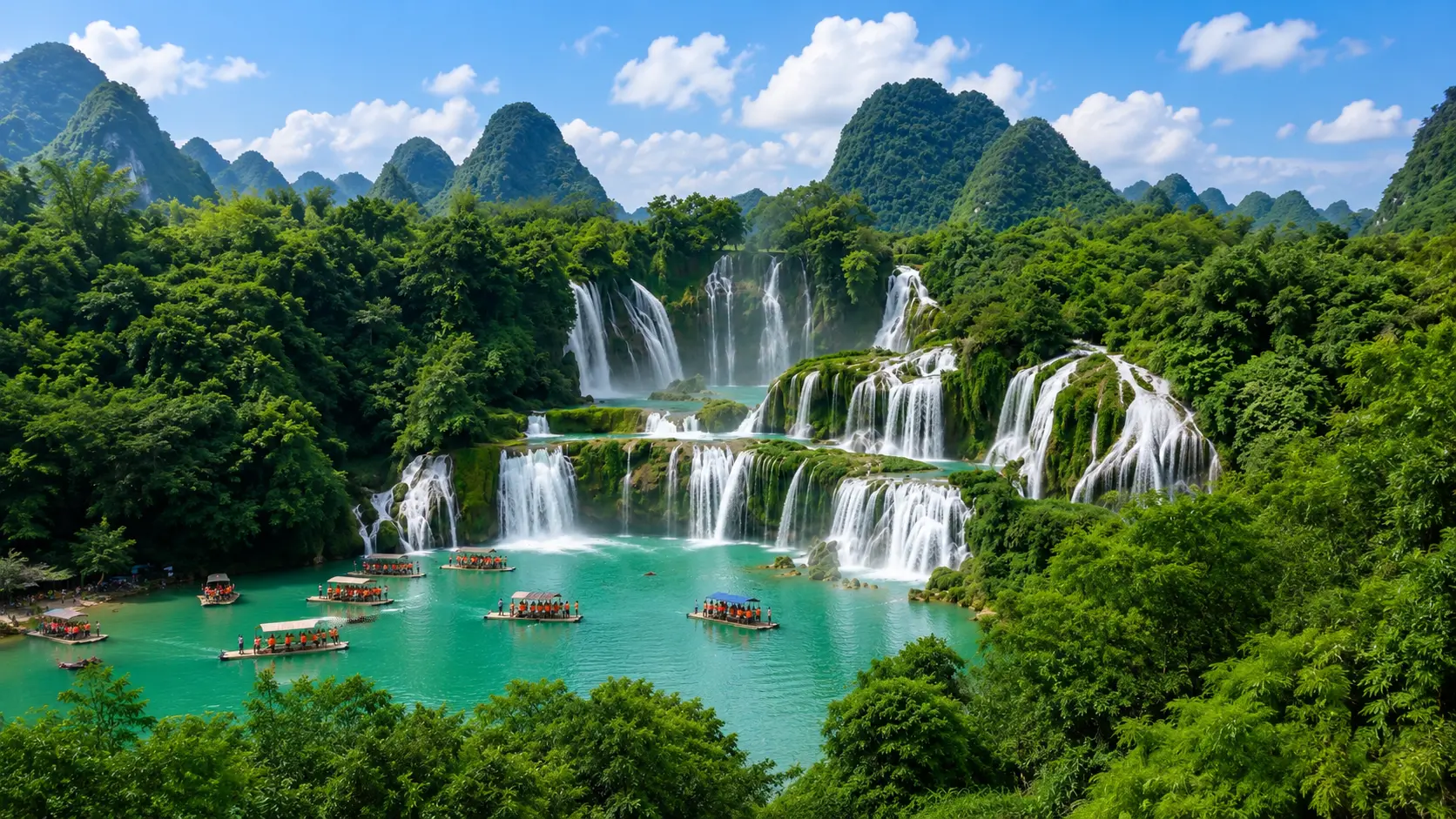
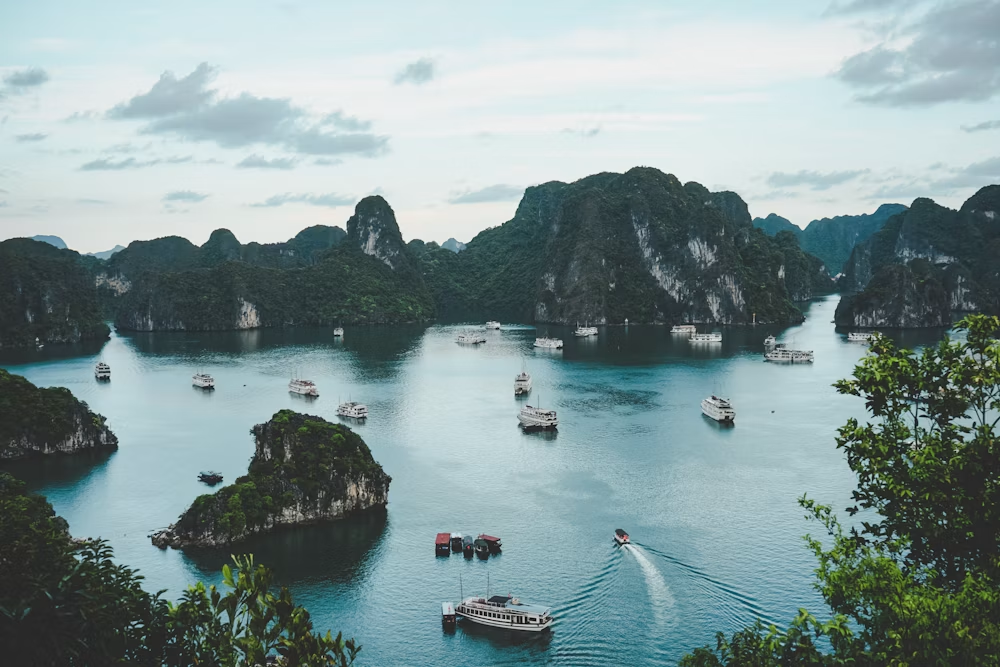
Located in Southeast Asia, Vietnam stretches along more than 3,000 kilometers of coastline bordering the Eastern Sea. Famed for its diverse regions, the north is characterized by mist-covered mountain ranges, Sapa's ethnic minority villages, and Sapa's rice terraces. Central Vietnam offers historic imperial cities, Hue's historical treasures, and Hoi An's UNESCO Ancient Town. Southern Vietnam is famous for the Mekong Delta, tropical islands, and the modern urban life of Ho Chi Minh City.
Diverse Landscapes
Discover mist-covered mountains, UNESCO-listed natural wonders, tropical beaches, peaceful rivers, and lively cities connected by scenic transport links.
Rich Cultural Heritage
Home to 54 officially recognized ethnic groups, each contributing to the country's vibrant traditions, festivals, crafts, and food.
World-Class Food
Sample a unique culinary culture ranging from fragrant noodle soups and fresh spring rolls to the world-famous Vietnamese egg coffee.
Regional Climates & Best Months to Visit
Vietnam is a year-round destination, but weather variations are distinctly regional. Select your travel window carefully based on your desired itinerary.
Northern Vietnam 10°C–35°C
Hanoi • Ha Long Bay • Sapa • Ninh Binh
Best Time: October to April. Cooler temperatures, lower humidity levels, and clearer skies make this the perfect window for walking tours in Hanoi, cruising Ha Long Bay, and exploring Ninh Binh's karst valleys.
Central Vietnam 22°C–34°C
Da Nang • Hoi An • Hue
Best Time: February to August. Offers long sunny days and warm temperatures, excellent for coastal vacations, water sports, and historic touring. *Note: October and November are typically the wettest months.*
Southern Vietnam 24°C–35°C
Ho Chi Minh City • Mekong Delta • Phu Quoc
Best Time: November to April. The dry winter season offers warm weather, plenty of sunshine, and comfortable conditions for sightseeing and tropical island escapes in Phu Quoc.
Vietnam Weather by Month
| Month | General Weather Quality | Travel Recommendation |
|---|---|---|
| January | Cool & Dry | Excellent |
| February | Pleasant & Sunny | Excellent |
| March | Warm & Comfortable | Best Time |
| April | Sunny & Dry | Best Time |
| May | Hot with Increasing Humidity | Good |
| June | Hot with Afternoon Showers | Good |
| July | Warm & Rainy | Fair |
| August | Humid with Frequent Rain | Fair |
| September | Rain Begins to Ease in Some Regions | Good |
| October | Pleasant in the North & South | Excellent |
| November | Cool & Dry | Excellent |
| December | Mild & Comfortable | Excellent |
Public Holidays & Festivals
Experiencing local celebrations can be a trip highlight. Book ahead as local travel demand rises during these holidays.
Tet (Vietnamese Lunar New Year) • January or February
The most important celebration in Vietnam. Families reunite, temples fill with people, and firework displays light up major cities. It is a beautiful cultural event, though many family-run shops and cafes close for several days.
Reunification & International Labour Day • 30 April & 1 May
A major nationwide holiday marked by public parades and local concerts. This is a very busy travel period for local tourism.
Mid-Autumn Children's Festival • September or October
Marked by children carrying colorful lanterns, lion dances, and mooncakes. Hoi An's old streets are particularly magical during this festival.
Culinary Journeys: Food & Coffee
Fresh, healthy, and perfectly balanced, Vietnamese food is one of the destination's primary highlights.
Must-Try Local Dishes
- Pho: The famous fragrant noodle soup served with chicken or beef and fresh herbs.
- Banh Mi: Crispy baguettes loaded with grilled meats, cucumber, cilantro, and chili sauces.
- Bun Cha: Hanoi's famous grilled pork served in a warm broth with rice noodles.
- Goi Cuon: Fresh rice paper spring rolls packed with crisp lettuce, fresh mint, and pork or shrimp.
Vegetarian & Indian Options
Vegetarian food is widely available. Look for signage displaying the crucial local phrase "Ăn Chay" (meaning Vegetarian Food). You can easily find Vegetable Pho, Vegetarian Banh Mi, and tofu with lemongrass.
For Indian cuisine, highly rated North Indian, South Indian, and authentic vegetarian Thalis are readily available in Hanoi, Ho Chi Minh City, Da Nang, and Phu Quoc, with Jain options available upon advance request.
The Robust Coffee Culture
Vietnam is one of the world's largest coffee producers, characterized by its bold Robusta beans. Be sure to try traditional Vietnamese Iced Coffee with condensed milk, creamy Hanoi Egg Coffee, Coconut Coffee, and Salt Coffee. Famous local chains include Highlands Coffee, Cong Caphe, Phuc Long Coffee, and Trung Nguyen Legend.
Shopping Guide: Souvenirs & Markets
Whether you are exploring local markets or air-conditioned modern malls, Vietnam is a fantastic shopping destination.
What to Buy
- Local Crafts: Conical Hats (Nón Lá), traditional lanterns (especially from Hoi An), lacquered wood products, and hand-painted ceramics.
- Hoi An Bespoke Tailoring: Globally famous for top-tier custom-tailored suits, dresses, and leather shoes completed within 24 to 48 hours.
- Snacks & Beverages: Roasted cashew nuts, premium Robusta coffee beans, dried lotus tea, and local dark chocolates.
Traditional Markets
Local markets are fantastic spots to find affordable souvenirs and sample authentic street food:
- Hanoi: Dong Xuan Market and the Weekend Night Market.
- Ho Chi Minh City: Ben Thanh Market and Binh Tay Market.
- Da Nang & Hoi An: Han Market, Con Market, and Hoi An Central Market.
Bargaining & Payment Tips
Polite bargaining is expected in local traditional markets (aim for 50–60% of the initial quote), but is not allowed in modern shopping malls (like Lotte Mall West Lake in Hanoi or Saigon Centre in HCMC). Cash is heavily preferred by street vendors and local market stalls, while credit cards are standard in shopping malls.
Getting Around: Safe Local Transit
The easiest and most reliable transit services to use for local and inter-city travel.
The Grab App
The safest and most reliable way to travel within Vietnamese cities. Fully in English, it uses transparent fixed fares, supports credit card or cash payments, and offers private cars, taxis, and scooters.
Licensed Metered Taxis
If you hail a taxi on the street, make sure it is licensed and metered. We highly advise using only these reputable companies to avoid scams: Mai Linh (green cars), Vinasun (white cars), and Xanh SM (electric taxis).
Domestic Air Travel
The most efficient way to travel long distances (such as Hanoi to Da Nang, or Hanoi to Ho Chi Minh City). Reputable local carriers include Vietnam Airlines, VietJet Air, and Bamboo Airways.
Local Customs & Etiquette
Vietnamese people are exceptionally welcoming. Understanding a few local customs will help you connect with locals and travel smoothly.
Important Do's
- Greetings: Say "Xin chào" (Sin Chow) for hello, and "Cảm ơn" (Kam Un) for thank you with a polite smile.
- Buddhist Temple Rules: Cover your shoulders and knees. Remove your hat and sunglasses, and take off your shoes before entering temple halls.
- Respectful Hands: Use both hands when handing over or receiving payments, business cards, or gifts.
Important Don'ts
- Sacred Head: Avoid touching anyone's head (including children), as it is considered sacred in local culture.
- Pointing: Do not point directly at people, sacred shrines, or family altars with your finger.
- Public Temper: Avoid public displays of anger, loud arguments, or confrontations, as keeping a calm composure is highly valued in Vietnam.
Cultural Note for Indian Travelers
Vietnam and India share deep historical ties and a common respect for family values and hospitality. A polite smile, patient attitude, and modest dressing at sacred sites will always go a long way. Locals are universally welcoming to Indian travelers, and your respect for their culture will be warmly returned.